Thinking about visiting Kenya in 2026? We don’t blame you.
From epic safari adventures in the Maasai Mara and elephant sightings in Amboseli to sun-soaked days on the beaches of Diani and thrilling white-water rafting trips in Sagana, Kenya has a way of turning ordinary holidays into unforgettable experiences.
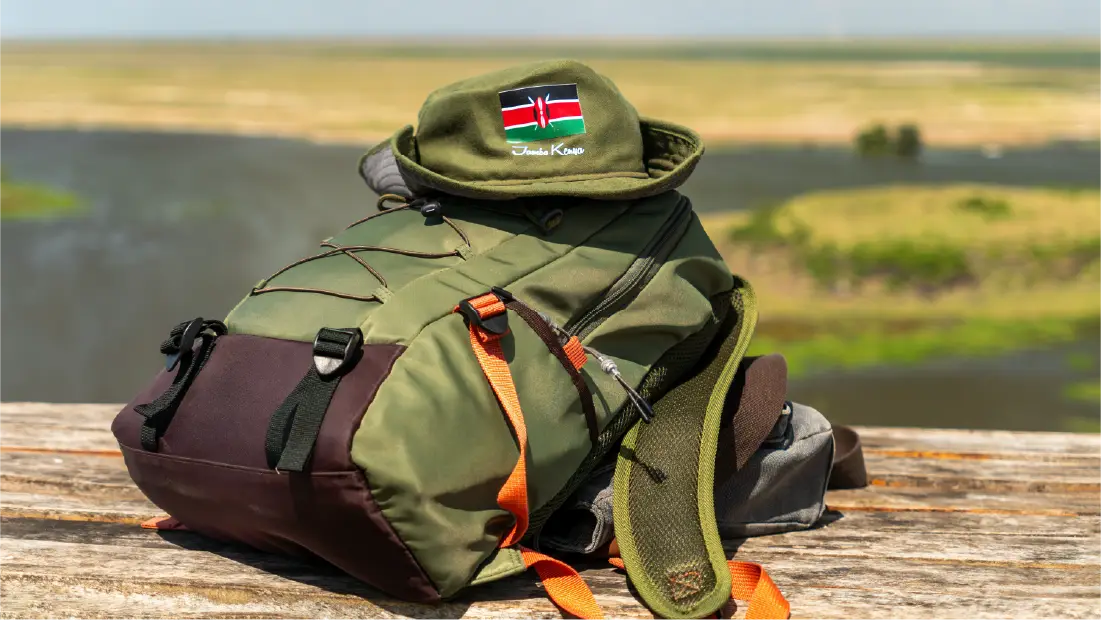
But before you start packing your camera and safari hat, there’s one important travel update you’ll want to know about.
Travel health insurance is now a requirement for international visitors entering Kenya.
Before you groan and add another item to your travel to-do list, here’s the good news: this isn’t about making travel more difficult. It’s actually about making sure you’re protected if something unexpected happens during your trip.
Let’s break it down.
So, What’s Changed?
Kenya now requires foreign visitors to have travel health insurance with a minimum coverage of US$50,000 for the duration of their stay.
Your policy should include:
- Medical expenses: Up to US$20,000
- Emergency medical transportation: Up to US$25,000
- Mental health treatment: Up to US$1,000
- Prescribed medication: Up to US$300
- Repatriation of mortal remains: Up to US$5,000
You’ll also want to make sure your insurance provider meets Kenya’s regulatory requirements.
In reality, this simply means adding travel insurance to the same checklist as your passport, flights, accommodation bookings, and eTA application.
Why Is Kenya Introducing This Requirement?
The answer is pretty straightforward: protection.
Most travelers never expect to get sick or injured while on holiday. But accidents and medical emergencies can happen anywhere in the world.
By requiring visitors to carry travel insurance, Kenya aims to make sure travelers can access medical care quickly and aren’t left facing huge unexpected bills if something goes wrong.
It’s a sensible step that benefits both visitors and the local healthcare system.
Why It Matters More Than You Think

Let’s be honest.
Most of us buy travel insurance hoping we’ll never need it.
But Kenya isn’t the kind of destination where you spend all day sitting beside a hotel pool.
This is a place where you might find yourself:
- Tracking wildlife on safari
- Hiking the slopes of Mount Kenya
- White-water rafting in Sagana
- Diving along the Indian Ocean coast
- Exploring remote national parks
- Taking a cycling adventure through the countryside
And while those experiences are incredible, they’re often far from major hospitals or medical facilities.
That’s why one part of the new requirement deserves special attention.
Let’s Talk About Emergency Medical Transportation
Of all the required coverages, emergency medical transportation is probably the most important.
In simple terms, it helps cover the cost of getting you to appropriate medical care if you’re seriously ill or injured and the nearest clinic or hospital can’t provide the treatment you need.
Depending on the situation, this could include:
- Ground ambulance services
- Air ambulance transportation
- Medical evacuation flights
- Transport from remote locations
- Transfers between hospitals for specialist treatment
Nobody likes imagining worst-case scenarios while planning a dream vacation, but the reality is that medical evacuations can be incredibly expensive.
Having coverage in place means you won’t have to worry about how you’ll pay for emergency transportation when every minute matters.
Imagine This…
You’re spending an amazing day rafting in Sagana.
The rapids are exciting, the scenery is beautiful, and you’re already planning which photos to post later.
Then an accident happens and you suffer a serious injury.
The nearest clinic may be able to provide immediate assistance, but you might need treatment at a larger hospital with specialist equipment and doctors.
Emergency medical transportation coverage could help pay for:
- Transport from the rafting site
- Ambulance services
- Transfer to a larger medical facility
- Additional evacuation if specialist care is required
Without insurance, those costs could quickly become a major financial burden.
Good News for Adventure Seekers
If you’re the type of traveler who loves hiking, rafting, climbing, diving, or exploring places off the beaten path, this new requirement shouldn’t be viewed as an inconvenience.
Think of it as an extra layer of protection.
Knowing that you have support in case of an emergency allows you to focus on the reason you came to Kenya in the first place: creating unforgettable memories.
Because let’s face it, adventures are a lot more enjoyable when you’re not worrying about every “what if.”
Your Kenya 2026 Travel Checklist
Before you head off on your Kenyan adventure, here’s a quick checklist to help you stay prepared.
✅ Travel Documents
- Valid passport
- Kenya eTA or required travel authorization
- Copies of important travel documents
- Emergency contact information
✅ Travel Insurance
- Minimum US$50,000 coverage
- Emergency medical transportation coverage
- Easily accessible proof of insurance
- Additional adventure sports coverage if needed
✅ Health & Safety
- Required vaccinations and documentation
- Prescription medications
- Basic first-aid kit
- Important medical and allergy information
✅ Adventure Essentials
- Comfortable walking or hiking shoes
- Sunscreen and sunglasses
- Lightweight clothing
- Reusable water bottle
- Waterproof bags for valuables
✅ Safari Essentials
- Camera and spare batteries
- Binoculars
- Insect repellent
- Portable power bank
- Flashlight or headlamp
✅ Emergency Preparedness
- Save emergency numbers in your phone
- Share your itinerary with family or friends
- Book activities through licensed operators
- Keep your insurance contact details handy
Final Thoughts
Kenya remains one of Africa’s most exciting destinations, and this new travel insurance requirement isn’t meant to discourage travel. If anything, it’s designed to help ensure visitors are better protected while exploring the country.
Whether you’re hoping to witness the Great Migration, climb Mount Kenya, relax on the coast, explore Nairobi, or chase adrenaline-filled adventures, having the right insurance can give you confidence to enjoy every moment.
So before you board your flight, take a few minutes to check your coverage, organize your travel documents, and get ready for an unforgettable journey.
Kenya’s wildlife, culture, landscapes, and adventures are waiting.
Quick Summary
Planning a trip to Kenya in 2026? Here’s the short version:
✅ Travel health insurance is now mandatory for international visitors.
✅ Your insurance policy must provide at least US$50,000 in coverage.
✅ Coverage must include up to US$25,000 for emergency medical transportation, which can be especially important when visiting remote safari and adventure destinations.
✅ Adventure travelers, hikers, divers, safari enthusiasts, and outdoor explorers should carefully review their coverage before traveling.
✅ The requirement is designed to help travelers access healthcare quickly and avoid unexpected medical and evacuation expenses.
✅ With the right insurance in place, you can focus on enjoying Kenya’s incredible experiences instead of worrying about emergencies.
Bottom line: Travel insurance is no longer just a smart travel tip for Kenya in 2026. It’s an essential part of your travel plans.
Helpful Resources Before You Travel
For the latest travel information, be sure to check these official resources:
- Kenya eTA Application Portal: Apply for a Kenya eTA [etakenya.go.ke]
- Kenya Immigration Services: Travel and entry information [immigration.go.ke]
- Insurance Regulatory Authority (Kenya): Learn more about insurance regulation in Kenya [ira.go.ke]
These websites can help you stay up to date on entry requirements, travel documentation, and insurance-related information as you prepare for your trip.