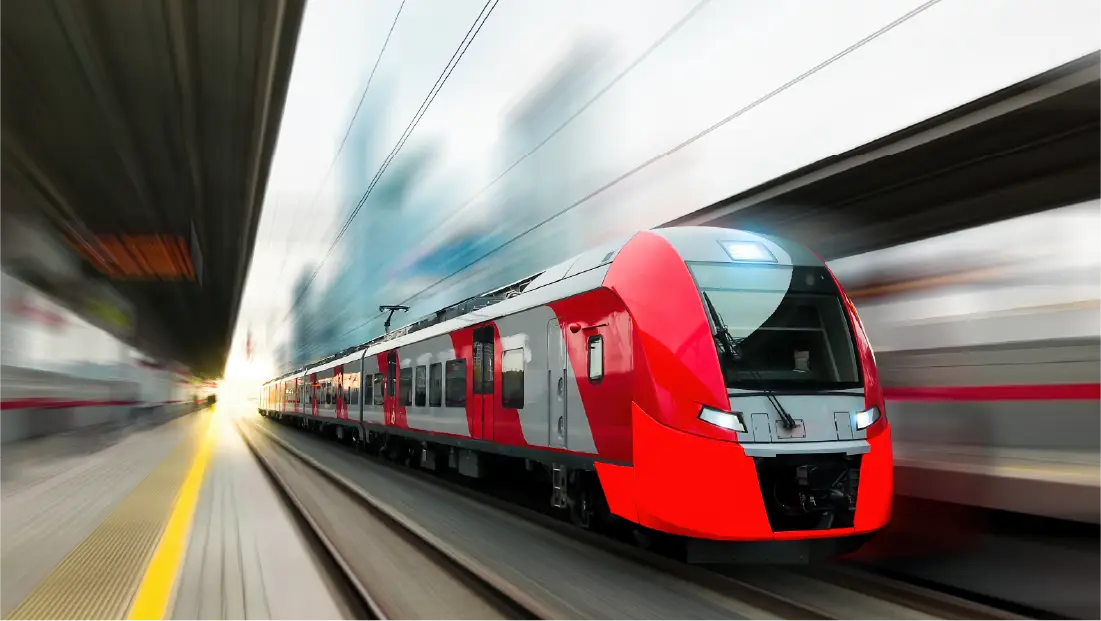
From endless traffic jams to faster commutes and new economic opportunities, Nairobi’s proposed underground railway could redefine how millions live, work, and move across the capital.
Imagine leaving Donholm in the morning and arriving in the CBD without spending hours trapped in bumper-to-bumper traffic.
That is the vision behind Nairobi’s proposed Ksh1 trillion underground metro system, a project that could redefine how millions of people move around Kenya’s capital. If implemented, the Nairobi Metropolitan Mass Rapid Transit System (NMRTS) would become the country’s first underground railway and one of the most ambitious urban transport investments ever undertaken in Africa.
For a city where traffic congestion has become part of daily life, the promise of a fast, reliable underground rail network is generating excitement, curiosity, and plenty of debate.
A City Growing Faster Than Its Roads
Nairobi has expanded rapidly over the past few decades, but its road network has struggled to keep pace. Every day, commuters spend hours navigating traffic jams on major routes leading into the city centre. Businesses lose valuable time, public transport slows to a crawl, and residents pay the price through longer and more stressful journeys.
City leaders believe the answer may lie beneath the streets.
The proposed first phase of the NMRTS includes a 30-kilometre underground railway with 25 stations connecting the CBD with heavily populated parts of Eastlands. The aim is simple: move thousands of commuters underground and free up the roads above.
More Than Just a Train
While the metro is being presented as a transport solution, its impact could stretch far beyond commuting.
The project has the potential to change how Nairobi works, where people live, and how businesses grow.
Faster Journeys, More Productive Days
Ask most Nairobi residents what they would do with an extra hour every day and you’ll get countless answers.
Some would spend more time with family. Others would focus on work, study, exercise, or rest.
By reducing travel times, the metro could help residents reclaim time currently lost in traffic while boosting productivity across the city. Officials have repeatedly highlighted improved mobility as one of the project’s key objectives.
New Business Opportunities
The planned network will link important commercial districts including the CBD, Upper Hill, Westlands, and several Eastlands neighbourhoods. Better connections often lead to more economic activity, making it easier for customers, workers, and investors to move around the city.
For businesses, accessibility matters. A reliable mass transit system can increase foot traffic, expand labour markets, and support commercial growth.
Property Hotspots Could Emerge
Across the world, major transport stations often become magnets for investment.
Nairobi officials expect similar growth around future station locations through transit-oriented development, where housing, offices, retail centres, and public services are built close to transport hubs. Rising land values around these areas are even expected to play a role in financing the project.
For property developers and investors, today’s route maps could become tomorrow’s growth corridors.
Jobs and Skills Development
A project of this scale requires planners, engineers, technicians, construction workers, project managers, and operational staff.
With implementation planned over several years, the metro could create opportunities not only during construction but also throughout the system’s long-term operation and maintenance.
A Cleaner, Greener Nairobi
Beyond economics, the metro is also being promoted as a cleaner transport alternative.
An integrated transport network combining metro rail, commuter rail, and Bus Rapid Transit (BRT) could help reduce dependence on road-based travel and contribute to improved urban mobility.
Can Nairobi Pull It Off?
The biggest question remains execution.
The estimated Ksh1 trillion cost makes the NMRTS one of the most expensive infrastructure proposals in Kenya’s history. Funding, engineering complexity, land-use planning, and long-term political support will all play crucial roles in determining whether the vision becomes reality.
According to the published roadmap, the project is expected to progress through planning, financing, design, construction, testing, and eventual operations between 2026 and 2035. However, it is still in the planning and preparation stage.
A Turning Point for Nairobi?
For decades, Nairobi has searched for a lasting solution to its congestion problem.
A successful underground metro would not simply move people from one station to another. It could reshape neighbourhoods, attract investment, stimulate economic growth, and transform daily life for millions of residents.
The dream is bold. The price tag is enormous. The challenges are real.
But if Nairobi can deliver on this vision, the city’s future may not be built on more roads above ground. It may be waiting just beneath our feet.